
Okay, so check this out—NFTs aren’t just flashy JPEGs anymore. They’re evolving into real assets you want to keep close, especially if you’re deep in the Solana ecosystem. But here’s the kicker: managing them smoothly, especially on your phone, can be a real headache. The first time I tried juggling NFTs and staking rewards on a mobile app, I felt like I was juggling flaming torches—exciting but risky.
Wow! It’s wild how many wallets claim to do “everything” but falter right where it counts: user-friendly NFT management and clear transaction history. Initially, I thought any wallet with Solana support would suffice. But then I realized that not all wallets handle NFT metadata and transaction tracking the same way, especially on mobile devices where screen space and UX matter the most.
The thing is, NFTs aren’t just collectibles; they’re becoming part of staking strategies and DeFi moves. You want your wallet to not only hold your tokens but also give you a crystal-clear view of what you own, what you’ve traded, and how your assets perform over time.
Hmm… I remember digging through a couple of apps where the transaction history was a mess—cryptic IDs, no timestamps, or worse, missing data. My instinct said: “Nope, this is going to cause trouble down the line.” You need something that’s transparent and intuitive, no guesswork.
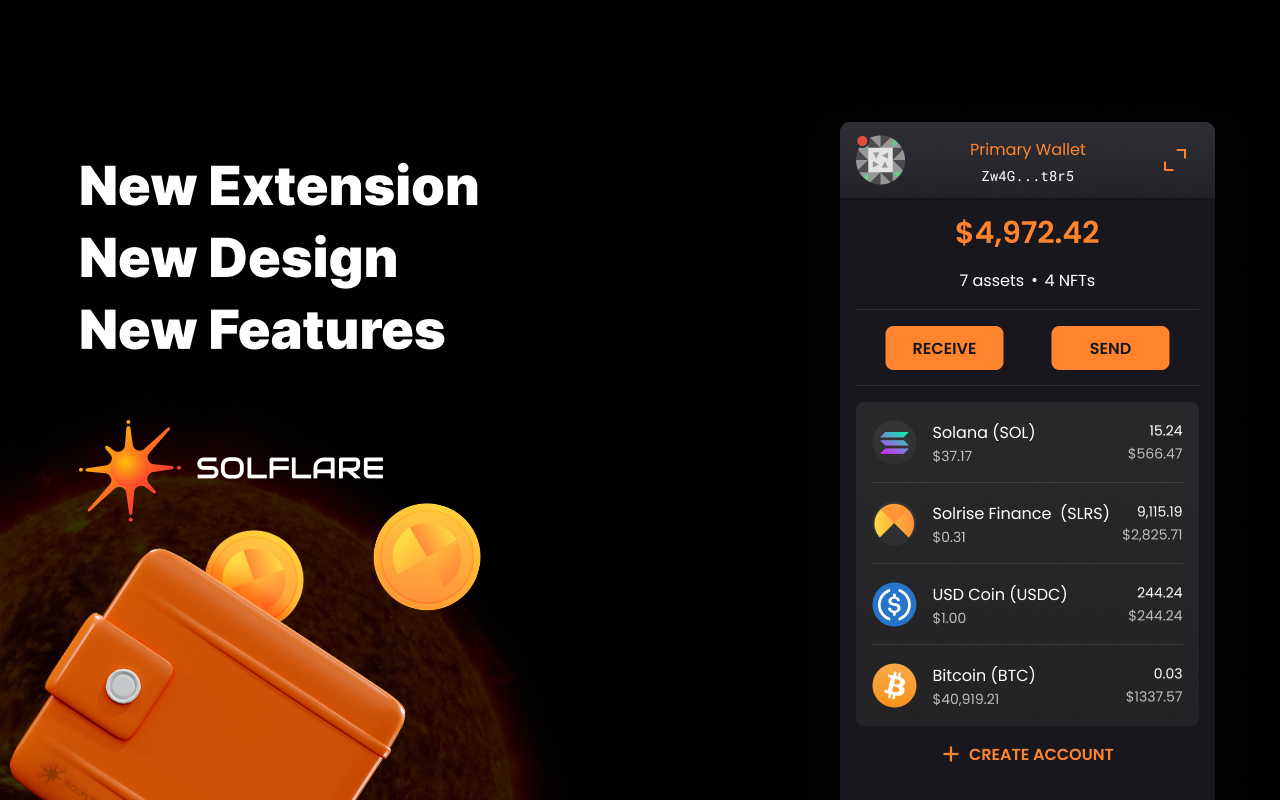
Seriously? The mobile experience often falls short, but Solflare’s approach bucks that trend. Their mobile app, paired with the solflare wallet extension for desktop, offers a surprisingly coherent experience that suits both casual collectors and hardcore DeFi users.
How NFT Management Shapes Your Wallet Experience
Managing NFTs isn’t just about seeing your art or collectibles. It’s about the stories behind them—transaction trails, provenance, and staking status if that’s your thing. I’ll be honest, this part bugs me: some wallets treat NFTs as static items, ignoring the dynamic data that powers decision-making.
On one hand, you want a wallet that loads your NFTs quickly without lag. On the other, you want detailed metadata—creator info, traits, and even links to the original project. Though actually, some projects embed metadata off-chain, which complicates things even more. The solflare wallet extension handles these nuances better than most, syncing up with its mobile counterpart seamlessly.
Initially, I thought mobile wallets would always play catch-up with desktop versions on features like transaction history. But Solflare’s mobile app surprised me by prioritizing transaction clarity. You get a chronological, user-friendly list of your NFT purchases, sales, and transfers—right at your fingertips.
Here’s the thing: transaction history isn’t just a list—it’s your financial diary. When you’re staking NFTs or using them as collateral, knowing exactly when and how your assets moved is very very important. It’s like having receipts for every trade, which is crucial if the IRS ever comes knocking or if you want to track your portfolio’s growth over time.
By the way, if you’re the type who likes to dive deep, the solflare wallet extension brings advanced filtering options for your transaction history that sync back to mobile. That kind of feature is rare and valuable.
Mobile App Convenience Meets Advanced Features
Look, I’m biased, but the convenience of managing NFTs on a mobile device can’t be overstated. Whether you’re at a coffee shop in Brooklyn or on a flight to Austin, having a wallet that just works is a game-changer. The Solflare mobile app nails this balance of simplicity and power.
Sometimes, I catch myself wondering if mobile wallets will ever match desktop ones in complexity. The answer? They’re getting there fast, thanks to smart design choices and developer focus. Solflare’s team clearly gets that users want their NFT galleries to look good but also want the backend data to be rock solid.
Here’s a quick heads up: the app also supports staking directly from your mobile, which is pretty slick. So, you’re not just staring at static images—you’re actively engaging with your assets. For anyone dabbling in Solana DeFi, this integration is a breath of fresh air.
Something felt off about other wallets’ mobile apps—they either lacked polish or buried key features behind clunky menus. Solflare’s design keeps things accessible without dumbing down. Plus, the sync with the solflare wallet extension means your desktop and mobile experiences aren’t worlds apart.
One small gripe though: sometimes the app can be a bit slow syncing large NFT collections, but hey, that’s more a network thing than a design flaw.
Why Transaction History Transparency Matters More Than Ever
Here’s what bugs me about many wallet apps: they treat transaction history like an afterthought. But when you’re serious about NFTs and staking, your wallet’s ledger is your lifeline. Without clear, accessible history, you’re flying blind.
Think about it. Each transaction tells a story: when you bought that rare NFT, the price you paid, any royalties deducted, or when you staked it and started earning rewards. If this info is buried or incomplete, you risk making bad moves or losing track of taxable events.
Okay, so check this out—Solflare’s mobile app and extension combine to offer a transaction history interface that’s surprisingly detailed yet user-friendly. You can drill down into individual transactions, see token balances before and after, and even export data if needed.
Initially, I thought exporting transaction history was something only heavy DeFi platforms offered. But actually, having that feature in your wallet is a lifesaver come tax season or portfolio audits.
Of course, no system is perfect. Sometimes data refreshes can lag, or rare transaction types might not display perfectly. But overall, Solflare nails the balance of detail and accessibility.
Why I Recommend the Solflare Wallet Extension for Desktop Users
Seriously, if you’re serious about Solana NFTs and DeFi, the solflare wallet extension is your best friend. It complements the mobile app superbly and adds layers of control and insight that mobile alone can’t match.
For example, managing multiple accounts or staking pools is way easier on desktop. The extension gives you quick access to settings, a better overview of your portfolio, and secure transaction signing. Trust me, the fewer clicks and confusing popups, the better.
Something I really like: the extension integrates seamlessly with Solana dApps, making NFT trading and staking hassle-free. Plus, it respects your privacy and security without making you jump through hoops.
One hand, the mobile app keeps you nimble on the go, though actually, some power users might prefer desktop just for the richer interface. But together? They’re a powerhouse combo.
Oh, and by the way… if you haven’t set up the extension yet, it’s straightforward. No unnecessary fluff, just clean design and solid performance.
Final Thoughts: What’s Next for NFT and Transaction Management?
I’m not 100% sure where mobile wallets will head next, but my guess is more AI-driven insights and better integration with DeFi tools. Imagine your wallet suggesting staking opportunities or alerting you to rare NFT drops based on your history—sounds like sci-fi but it’s coming.
Right now, the solflare wallet extension and its mobile app provide a solid foundation to build on. They get the basics right—clean NFT management, transparent transaction history, and smooth staking features—and that’s more than many can say.
Honestly, juggling NFTs and DeFi on mobile felt daunting before, but now it’s more like having a reliable Swiss Army knife in your pocket. There are still glitches and room for improvement (network delays, UI tweaks, etc.), but the overall experience is a huge step forward.
So, if you’re deep in the Solana world and value clarity and control, give Solflare a shot. Your NFTs and transaction history deserve a home that respects their complexity without overwhelming you.
